











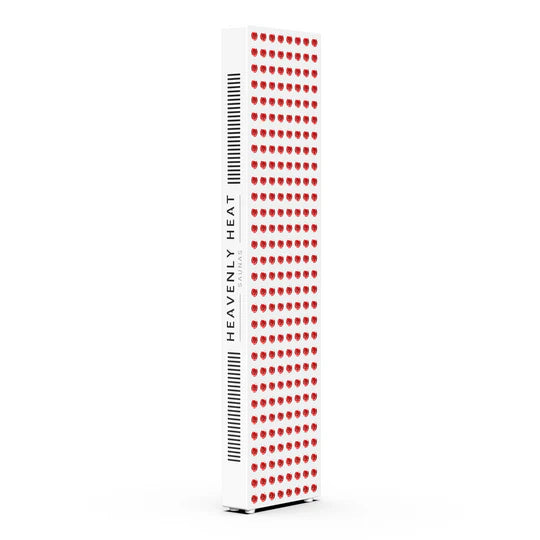

Best Infrared Sauna for Home Gym


Adding an infrared sauna to your home gym can take your recovery, relaxation, and wellness routine to the next level.
With so many options available, finding the right one can feel confusing. This guide covers the best infrared saunas for home gyms, key features, safety tips, and installation requirements to help you choose wisely.
Key Takeaways
Choose the Right Sauna for Your Space: You should match the sauna size and type to your available room and home gym layout.
Prioritize Safety Every Session: You should stay hydrated, start with lower heat, and watch for any signs of overheating.
Get Medical Clearance When Needed: You should consult a healthcare professional if you have any health conditions or take medications.
Keep Your Sauna Clean and Maintained: You should regularly clean surfaces and check components to ensure safe, long-term use.

Best Infrared Sauna for Home Gym
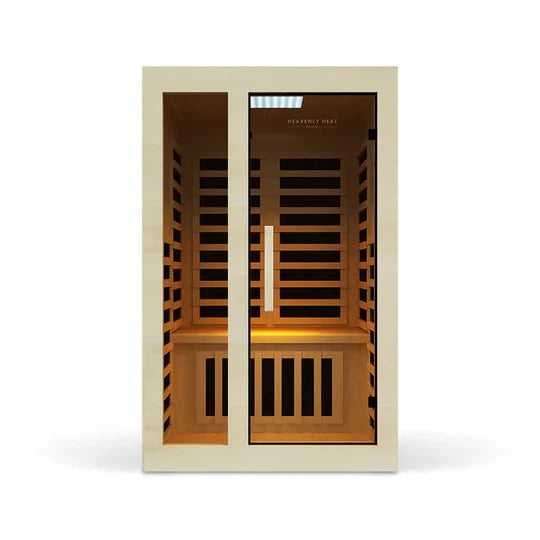
The ECO Infrared Sauna from Heavenly Heat Saunas stands out as a compact yet powerful option for home gyms.
Users often appreciate how easily it fits into smaller spaces while still delivering strong, consistent heat that builds quickly.
The low-EMF design and use of natural hemlock wood give it a cleaner, more premium feel compared to many competitors.
Setup is straightforward, making it accessible even for beginners. While it’s not the cheapest option, the build quality, comfort features like chromotherapy lighting and Bluetooth speakers, and efficient performance make it feel like a solid long-term wellness investment for recovery and relaxation.
Types of Infrared Saunas for Home Gym Use (Far, Mid, Near Infrared, Portable, Indoor)
You can choose infrared saunas for your home gym to support muscle recovery lower cortisol and improve relaxation Traditional wooden cabins offer far or full spectrum heat for deep tissue benefits Portable pods save space and are easy to use Sauna blankets are budget friendly and wrap your body for quick far infrared recovery after workouts at home use options.
Safety Guidelines for Using a Home Infrared Sauna
Consult a Healthcare Professional Before Use
Before using a home infrared sauna, you should first confirm with a healthcare professional that your body can handle heat therapy safely.
A doctor checks your heart health, blood pressure, and any ongoing medical conditions to prevent risks.
They also review pregnancy status, recovery from surgery, or chronic illnesses that may increase sensitivity.
Your medications matter because some affect sweating or circulation. You also get clear advice on safe session length and frequency.
Most importantly, you learn early warning signs like dizziness or chest discomfort so you can stop immediately and avoid complications during use.
Stay Hydrated Throughout Your Sauna Session
You should drink water before entering the sauna so your body starts well hydrated. Keep water nearby and sip during breaks instead of waiting until the session ends.
When you sweat heavily, electrolytes help restore balance and prevent weakness. Avoid alcohol and caffeine because they increase fluid loss and raise dehydration risk.
Watch for signs like dry mouth, dizziness, or headache to catch dehydration early. Staying hydrated supports blood circulation, helps your body regulate temperature, and reduces strain on your heart, making every sauna session safer, smoother, and more comfortable from start to finish.
Set Safe Temperature and Session Duration Limits
Start your sauna at a moderate temperature that feels comfortable instead of extreme heat.
Beginners should keep sessions short and slowly extend time as the body adapts. Increase duration only when you feel fully comfortable and stable after each use.
Limit weekly sessions so your body can recover properly between exposures. Staying too long can cause fatigue, dizziness, or overheating.
Pay attention to comfort levels and stop when your body signals stress. Controlled heat exposure helps you enjoy benefits safely while preventing strain, keeping your experience both effective and safe over time.
Monitor Your Body for Signs of Overheating
You should constantly observe your body during each sauna session to avoid overheating.
Early signs include dizziness, nausea, headache, or unusual fatigue. If you feel weak or your heartbeat increases too fast, you should leave immediately.
Abnormal sweating or sudden dryness can also signal stress. Breathing should stay steady and comfortable, not heavy or strained.
Step out right away if anything feels wrong. After leaving, rest in a cool area and drink water to stabilize your body.
Listening carefully to these signals helps you prevent heat exhaustion and keeps your sauna use safe and controlled.
Avoid Alcohol and Certain Medications
You should avoid alcohol before sauna use because it increases dehydration and reduces your ability to notice danger signs.
Certain medications, especially those for blood pressure, heart conditions, or fluid balance, can make your body more sensitive to heat.
Alcohol also weakens hydration control and raises the risk of overheating. Always ask your doctor how your medicine interacts with heat exposure and whether you need waiting time before sessions.
Stay fully alert during sauna use so you can react quickly if needed. Making safe choices with alcohol and medication protects your body from serious health risks.
Keep the Sauna Clean and Well-Maintained
You should clean your infrared sauna regularly to prevent bacteria and sweat buildup after every use.
Focus on seats, walls, and corners where moisture collects most. Keeping the interior dry helps stop mold from forming.
Check filters, heaters, and electrical parts often to ensure everything works safely and efficiently.
Good ventilation helps control heat and keeps air fresh during each session. Ignoring maintenance can reduce performance and increase health risks over time.
A clean and well-maintained sauna improves comfort, protects your skin, and ensures every session stays safe, hygienic, and long-lasting.
Space, Size, and Installation Requirements for Home Infrared Sauna Use
Available Floor Space Requirements
Before purchasing a home infrared sauna, determine how much floor space you can dedicate to it.
The best installation location often includes a spare room, basement, garage, or a quiet corner with easy access.
Besides the sauna's footprint, leave extra space around the unit for maintenance and comfortable movement.
You should also account for door clearance so users can enter and exit without obstruction.
A well planned room layout improves convenience and prevents the area from feeling crowded.
Additionally, make sure the installation spot has access to electrical outlets and proper ventilation, as these features support safe and efficient sauna operation.
Infrared Sauna Size Options
Home infrared saunas come in a variety of sizes to suit different households and preferences.
Smaller one person units fit comfortably in limited spaces, while larger models accommodate couples, families, or guests.
When choosing the right size, consider how many people will use the sauna regularly and how much interior space you prefer during each session.
Larger units often provide greater comfort and freedom of movement, but they require more installation space.
It is also smart to think about future needs because a sauna that feels sufficient today may become too small later. Selecting the right size helps balance comfort, space, and long term value.
Choosing the Ideal Installation Location
When choosing the ideal location for a home infrared sauna, start by placing it in a dry, stable room like a bedroom corner or basement for steady heat and comfort.
Make sure you leave enough space around the unit so you can enter, sit, and move safely. Add proper ventilation so fresh air flows and you stay comfortable during sessions.
Use moisture resistant flooring like tile or sealed wood to protect your home. Position the sauna near a dedicated electrical outlet for safe power use. Finally, choose a quiet, private spot so you can relax fully and enjoy daily wellness.
Ceiling Height and Clearance Needs
Ceiling height is an important factor when planning a home infrared sauna installation. Most units fit under standard residential ceilings, but checking the manufacturer's recommendations helps avoid installation problems.
Adequate space above the sauna makes assembly easier and supports proper heat circulation.
You should also leave clearance along the sides to improve accessibility and simplify future maintenance.
Low ceilings or tight spaces can make installation more challenging and reduce overall convenience.
Proper clearance allows easier cleaning, inspection, and servicing whenever needed. By ensuring enough height and surrounding space, you create a safer, more functional, and more enjoyable sauna environment.
Electrical Setup Requirements
When choosing a sauna for your home gym, it's often best to select a model that works with a standard household electrical outlet.
This makes installation much easier and helps you avoid the extra cost and hassle of electrical upgrades.
For example, the Heavenly Heat ECO infrared sauna operates on a standard 120V/15A circuit and plugs directly into a dedicated household outlet, so no special wiring is required.
Unlike many competing sauna brands that require a 20A circuit or professional electrical modifications, the Heavenly Heat ECO model can typically be used without hiring an electrician.
Assembly Considerations
For a home gym, it’s usually best to choose an infrared sauna that doesn’t take up too much space, since most home gyms have limited room available.
Another important factor is ease of assembly. Look for a sauna that you can set up yourself without needing contractors or professional installers.
For example, some infrared saunas are designed with pre-aligned panels that easily click together, allowing most customers to complete the assembly in just 1–2 hours.
No special construction experience is required, and only basic household tools are needed.
These saunas are typically shipped flat-packed, making it easier to move them through doorways and tight spaces.
While two people are recommended for safely handling the glass and wall panels, the overall installation process is straightforward and beginner-friendly.
Many manufacturers also provide detailed step-by-step video tutorials, written installation guides, and customer support via phone, email, or live chat.
In addition, you can usually find the assembly manual on the manufacturer's official website before making a purchase, allowing you to review the installation process in advance.

Ryan "The Sauna Guy"
Ryan has been using and writing about saunas extensively since 2019.


