











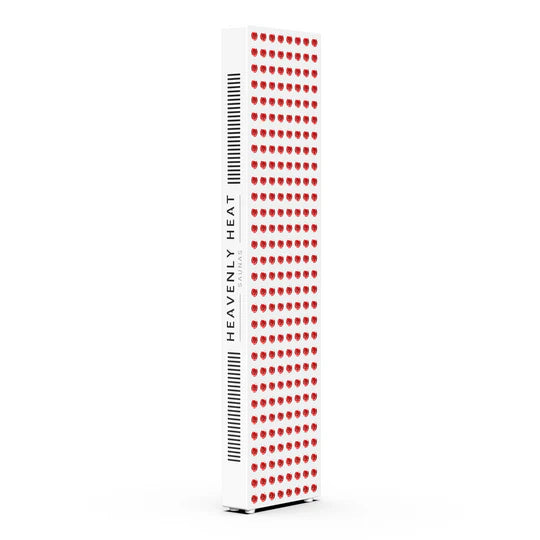

Red Light Therapy for Osteoarthritis: Benefits and Limitations


Osteoarthritis causes joint pain, stiffness, and limits daily movement, affecting millions worldwide.
Many people seek natural ways to ease symptoms without heavy medications. Red light therapy has gained attention as a potential solution.
In this article, we explore how it works, its benefits, and its limits, helping you decide if it’s right for you.
Key Takeaways
Understand Osteoarthritis: Know that cartilage wear causes pain, stiffness, and reduced joint mobility.
Natural Pain Relief: Red light therapy may ease joint pain without medications.
Reduce Inflammation: It can calm overactive inflammatory cells and support healing.
Improve Movement: Regular use may enhance joint flexibility and make daily activities easier.
Use as a Complement: Red light therapy works best alongside exercise, therapy, or medication not as a standalone cure.
Understanding Osteoarthritis
The Mayo Clinic explains that osteoarthritis is the most common form of arthritis, affecting millions of people worldwide.
It occurs when the protective cartilage cushioning the ends of the bones gradually wears down, leading to joint pain, stiffness, and reduced mobility.
While osteoarthritis can develop in any joint, it most often affects the hands, knees, hips, and spine.
Among the primary causes, experts note:
Aging: Normal wear and tear over time gradually breaks down cartilage.
Joint injuries: Sports injuries, falls, or car accidents can trigger osteoarthritis.
Health conditions: Disorders like Ehlers-Danlos syndrome or joint hypermobility syndrome increase risk.
Other forms of arthritis: Inflammatory conditions such as rheumatoid arthritis, gout, or psoriatic arthritis can contribute to osteoarthritis development.
Osteoarthritis can significantly affect daily life, making routine activities like climbing stairs, gripping objects, or even walking more challenging.
However, there are practical strategies to manage symptoms and slow progression. Maintaining a healthy weight, staying active with low-impact exercises like swimming or cycling, and following prescribed treatments can improve joint function and reduce pain.
Additionally, alternative approaches such as gentle yoga, acupuncture, or physical therapy may provide relief and enhance overall mobility.
With consistent care and lifestyle adjustments, many people continue to lead active, fulfilling lives despite osteoarthritis.

How Red Light Therapy May Help Improve Osteoarthritis Symptoms?
Red Light Therapy Uses Light to Reduce Joint Damage
Red light therapy may help improve osteoarthritis symptoms by reducing joint damage at a cellular level.
The near-infrared light used in this therapy triggers a photobiological response in cells, which helps regulate their function and lowers inflammation in the joints.
By calming the inflammatory process, it can prevent further wear and tear on cartilage, potentially slowing disease progression.
In fact, research shows that photobiomodulation has beneficial effects on arthritis-specific cells and joint function recovery.
According to the International Journal of Molecular Sciences, studies in both animals and humans support PBM’s anti-inflammatory properties, highlighting its promise as a gentle, non-drug approach to managing osteoarthritis.
It Can Relieve Osteoarthritis Pain Naturally
Red light therapy helps relieve osteoarthritis pain naturally by boosting blood flow and calming irritated joints.
It reduces inflammation, which eases stiffness and makes daily movement feel smoother and less painful.
As pain drops, joint flexibility improves, helping people walk, bend, and move with more comfort.
This therapy stays safe for long-term use because it works gently without drugs or harsh side effects.
Many people notice pain relief within weeks of regular use. By supporting cell repair deep inside the joint, red light therapy helps joints heal and stay stronger over time.
Red Light Therapy Helps Lower Inflammation in Joints
Red light therapy may help ease osteoarthritis by lowering joint inflammation. It works by stimulating mitochondria, boosting ATP, and reducing oxidative stress, which calms overactive inflammatory cells.
According to the Journal of AIMS Biophysics, studies show this therapy decreases inflammatory markers and promotes healing, making it a promising tool for joint discomfort.
It Improves Mobility and Joint Flexibility
Red light therapy, or photobiomodulation (PBM), may help improve mobility and joint flexibility in osteoarthritis by reducing inflammation and stimulating tissue repair.
The near-infrared light penetrates the skin and activates mitochondrial activity, which promotes cell regeneration and supports cartilage and joint health.
One study on knee osteoarthritis patients showed that PBM reduced cartilage degeneration and eased joint pain, improving movement.
Similarly, a comprehensive review on arthritis highlighted PBM’s anti-inflammatory effects and its role in restoring joint function.
These findings suggest that red light therapy could be a safe, non-invasive way to enhance mobility.
Action |
Effect |
Response |
Outcome |
Red light therapy (photobiomodulation) is applied to affected joints |
Reduction of inflammation and stimulation of cellular activity |
Enhanced tissue repair and improved joint function |
Improved mobility and increased joint flexibility in osteoarthritis |
Limitations of Red Light Therapy for Osteoarthritis
Purpose: Helps reduce pain and improve joint function.
Short-Term Relief: Benefits are usually temporary; long-term effects are limited.
Treatment Variability: Differences in wavelength, power, and session frequency make it hard to standardize.
Cannot Heal Damage: Does not reverse cartilage damage or stop disease progression.
Individual Response: Effectiveness varies by joint, severity, and personal factors.
Complementary Use: Works best alongside exercise, therapy, or medication, not alone.
Accessibility & Safety: Can be costly; generally safe but may cause mild skin or eye issues if used incorrectly.

Ryan "The Sauna Guy"
Ryan has been using and writing about saunas extensively since 2019.


