










10 Things to Know Before Adding a Sauna to Your Backyard


Thinking about adding a sauna to your backyard? A sauna can boost your health, help you relax, and even increase your home’s value.
But before you start, you need to know a few important things, from choosing the right type to planning costs and safety. Keep reading to make the best decisions for your perfect backyard retreat.
Key Takeaways
Know Your Options: Choose between traditional, infrared, or steam saunas based on your comfort and goals.
Plan Your Space Smartly: Pick a safe, private, and well-drained backyard spot.
Budget Wisely: Factor in purchase, installation, and long-term operating costs.
Prioritize Safety: Check electrical needs, permits, and health precautions before installing.
Create a Relaxing Retreat: Use quality materials, thoughtful design, and regular maintenance to keep your sauna comfortable and long-lasting.

Benefits of Adding a Sauna to Your Backyard
Enhanced Physical Health and Detoxification
Regular sauna sessions improve cardiovascular health by increasing heart rate and circulation, which strengthens the heart and can lower blood pressure.
After exercise, saunas help relax muscles and reduce soreness. Sweating also aids in eliminating toxins, including heavy metals. Sessions of 15–20 minutes are recommended.
Stress Relief and Mental Wellness
Spending time in a sauna can do wonders for your stress levels and mental wellness. The heat, combined with brief cold exposure and rest, helps your brain enter a more relaxed and efficient state, improving focus and lowering stress.
For example, one study found that after alternating sauna sessions, participants experienced increased relaxation, faster response times, and improved mood.
According to the Journal of PLOS One, this may explain the refreshing “totonou” feeling many report.
Improved Sleep Quality
Spending time in a sauna can help improve your sleep by naturally relaxing your body and mind. The heat raises your core temperature, and as your body cools down afterward, it triggers a calming effect that makes it easier to fall asleep and stay asleep through the night.
According to a study published in Complementary Therapies in Medicine, 83.5% of regular sauna users reported better sleep after sessions.
The research also found that people who sauna-bathed moderately often experienced slightly higher mental well-being scores, highlighting the connection between relaxation, stress reduction, and improved sleep quality.
Boosted Immune System
Adding a sauna to your backyard doesn’t just create a relaxing escape, it can genuinely strengthen your immune system.
Research highlighted in the Experimental Gerontology Journal shows that even a single Finnish-style sauna session can raise levels of key immune cells like white blood cells, lymphocytes, and neutrophils.
This boost is partly due to heat-induced production of heat shock proteins, especially HSP70, which support both innate and adaptive immunity.
Beyond cellular benefits, heat exposure acts as a gentle stressor that helps balance stress hormones, lowering baseline cortisol while stimulating endorphins and serotonin for better overall resilience.
Long-term advantages are equally compelling. As reported in the European Journal of Epidemiology, men who used saunas several times a week experienced significantly fewer respiratory illnesses, including pneumonia, compared with infrequent users.
Together, these findings suggest that creating your own backyard sauna isn’t just a luxury, it’s a practical way to support immune strength, reduce inflammation, and help your body stay resilient year-round.
Increased Home Value and Aesthetic Appeal
Adding a backyard sauna can subtly boost your home’s appeal by blending luxury with wellness trends, even if it’s not the main factor driving resale value.
Forbes notes that saunas are typically seen as non-essential upgrades, meaning they may not dramatically raise your selling price on their own, but they can certainly delight buyers who already love the property and view wellness as a priority.
And wellness is a priority for many. Recent industry reports show that about 82% of consumers place strong importance on well-being at home, which helps explain the growing interest in features like home gyms, spa areas, and saunas.
Beyond the sauna itself, outdoor enhancements in general play a big role in boosting buyer interest. As highlighted by U.S. News and World Report, Zillow data shows that homes with attractive backyard amenities, from patios to fire pits, tend to sell faster and often for more money.
So, while a sauna shouldn’t replace essential home improvements, it can be a meaningful, value-adding touch when paired with a well-maintained and appealing outdoor space.
A Social Hub for Family and Friends
A backyard sauna provides a calm space to unwind and connect with family and friends. Multiple generations can relax together, share stories, or enjoy small gatherings.
The warmth encourages conversation, making each session a memorable social experience.
Convenience and Year-Round Relaxation
A backyard sauna works year-round. Winter offers a cozy contrast to the cold, while summer use is refreshing after exercise.
Modern saunas heat up in 15–30 minutes and require minimal maintenance, typically just cleaning and checking the heater. They can be installed indoors or outdoors, making relaxation accessible anytime.
10 Things to Know Before Adding a Sauna to Your Backyard
Know the Sauna Types: Traditional, Infrared, or Steam
Home saunas come in three main types: traditional, infrared, and steam. Traditional saunas use high heat and low humidity with heated rocks.
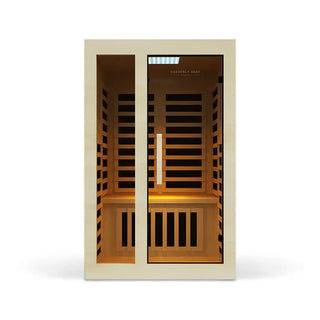
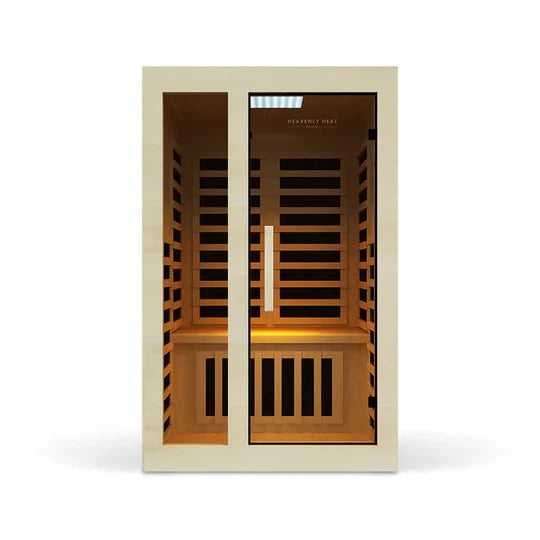
Infrared saunas use radiant heat to warm the body directly at lower temperatures. Steam saunas create a moist, hot environment with water vapor.
Some hybrid models combine features, like infrared heat with steam. Choice depends on comfort, energy use, and preference.
Pick the Best Backyard Spot for Safety and Privacy
Place your backyard sauna away from overhanging branches, dry areas, and property lines to reduce fire risk and comply with safety guidelines.
A secluded, well-drained spot enhances privacy and protects the sauna. Use landscaping, such as shrubs or fences, to maintain privacy while allowing airflow.
Plan Your Budget: Purchase, Installation, and Running Costs
Backyard sauna costs depend on type, size, and installation. Infrared saunas are generally cheaper than traditional ones.
Pre-built kits cost less than custom builds, though professional installation may improve quality.
Installation expenses include labor, electrical work, and materials. Running costs depend on electricity use, which increases with larger heaters. Consider both upfront and long-term costs, including energy and maintenance.
Check Electrical and Plumbing Needs Before Buying
Backyard saunas typically need a dedicated electrical circuit, 15–50 amps depending on heater size.
Infrared units usually require less power. Dry saunas don’t need plumbing, but steam saunas require a water supply.
A licensed electrician ensures safe installation, and following local electrical and plumbing codes prevents hazards.
Confirm Local Permits and Building Code Requirements
Before installing a sauna, check local permits and building codes. Zoning rules may restrict placement, size, or type, and setbacks may be required.
Some areas require inspections during construction. Confirming these requirements beforehand prevents fines and delays.
Choose Long-Lasting, Safe Materials for Construction
Cedar and hemlock resist rot and handle heat well. Avoid treated woods that release toxins under high temperatures.
Spruce works if well-maintained, while hardwoods are durable but may overheat. Choose materials that withstand humidity and frequent use, and use non-toxic finishes to maintain indoor air quality.
Understand Health Risks and Safety Precautions
Saunas offer health benefits but carry risks. People with heart conditions or high blood pressure should consult a doctor.
To prevent dehydration, drink water before and after use. Enter and exit slowly to avoid dizziness. Keep temperatures between 150–175°F. Monitor your body to ensure a safe session.
Consider Energy Use and Monthly Operating Costs
Energy use depends on sauna type and size. Infrared saunas use less electricity than traditional or steam units.
Wood-burning saunas can reduce monthly costs. Timers or smart thermostats minimize energy waste.
Larger saunas require more power. Energy-efficient models help keep monthly bills manageable.
Design Your Sauna Area for Relaxation and Comfort
A comfortable sauna starts with smart layout and seating that allow stretching and reclining. Soft or dimmable lighting creates a soothing atmosphere.
Aromatherapy diffusers add calming scents. Natural elements like plants or wooden accents enhance mood, making the sauna a private retreat for relaxation.
Maintain Your Sauna Properly to Extend Its Life
Regular maintenance protects your sauna. Clean surfaces after each use, keep ventilation open, control humidity, and replace sauna stones periodically.
Care for wooden benches and walls to prevent cracks or warping. Turn off the sauna after use to conserve energy and extend its lifespan.

Ryan "The Sauna Guy"
Ryan has been using and writing about saunas extensively since 2019.


