











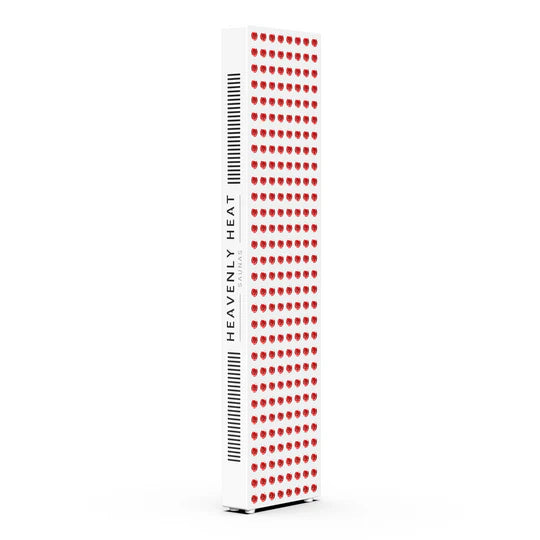

Red Light Therapy for Horses: Uses, Benefits, and What Owners Should Know


Red light therapy is gaining popularity among horse owners looking for safe, natural ways to support their horses’ health.
From easing muscle soreness to boosting recovery after injury, this therapy offers practical benefits.
Understanding how it works, when to use it, and choosing the right device can help your horse feel healthier and happier.
Key Takeaways
Support Natural Healing: Red light therapy boosts cellular energy, aiding tissue repair and reducing inflammation.
Relieve Pain and Soreness: Use it to ease muscle, joint, and tendon discomfort safely.
Improve Circulation and Recovery: Enhances blood flow, collagen production, and overall mobility.
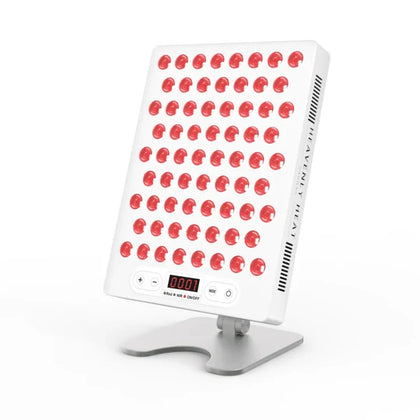
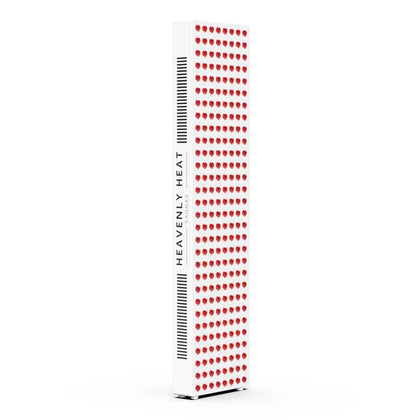
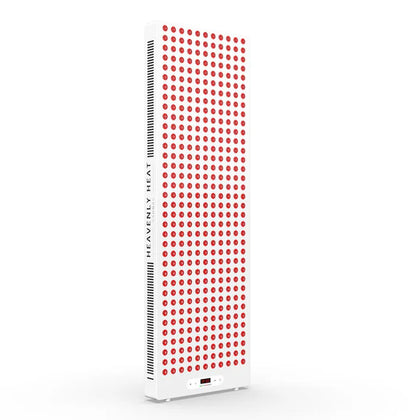
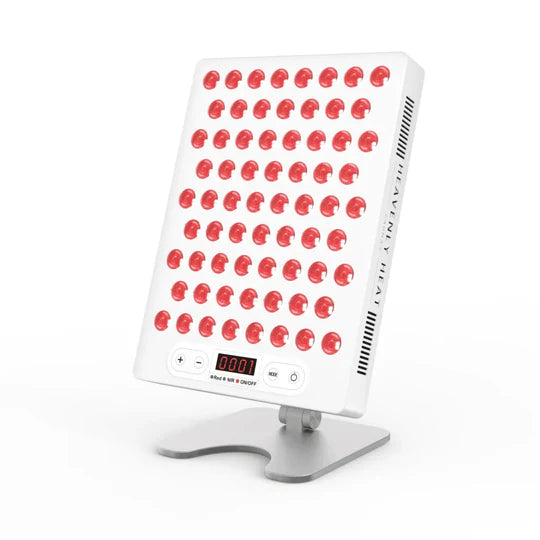
Choose the Right Device: Match wavelengths, power, and coverage to your horse’s specific needs.
Practice Safety and Veterinary Guidance: Protect your horse’s eyes, avoid sensitive areas, and integrate RLT with professional care.
How Red Light Therapy Works in Horses?
Red light therapy, or photobiomodulation, is gaining attention in equine care for its potential to support healing and reduce pain.
At the cellular level, it stimulates mitochondria to produce more energy (ATP), which fuels tissue repair, reduces inflammation, and improves circulation.
This process also promotes collagen production, aiding recovery in tendons, ligaments, muscles, and skin, while helping relieve pain through natural endorphin release.
Clinical evidence shows measurable benefits for conditions such as tendon and ligament injuries, osteoarthritis, muscle soreness, and laminitis, often speeding recovery and easing discomfort when combined with traditional veterinary care.
However, not all results are consistent. A study published in the Equine Veterinary Journal found that red and near-infrared light did not significantly accelerate healing in experimental skin wounds, highlighting that effects may vary depending on the injury type and treatment duration.
Overall, red light therapy acts as a complementary tool, enhancing a horse’s natural healing processes safely and non-invasively, though it should never replace professional veterinary guidance.

Common Uses of Red Light Therapy for Horses
Faster Healing: Speeds recovery from muscle, ligament, and joint injuries.
Pain Relief: Reduces soreness from arthritis or intense training.
Anti-Inflammatory Effects: Helps calm inflamed tissues.
Better Circulation: Increases blood flow to deliver nutrients and oxygen.
Hoof & Skin Health: Supports strong hooves and a healthy coat.
Wound Recovery: Aids in healing minor cuts and abrasions.
Relaxation & Comfort: Promotes calmness and overall well-being.
Conditions in Horses Treated with Red Light Therapy
Red light therapy, or photobiomodulation, has been explored in horses primarily for pain relief, inflammation reduction, and tissue repair.
It is commonly used for tendon and ligament injuries, arthritis, back pain, muscle soreness, wounds, and hoof conditions like navicular disease or laminitis.
Research and anecdotal reports suggest it can help reduce pain, improve mobility, and support faster soft tissue recovery.
For instance, treated muscles may show improved firing patterns, indicating reduced stiffness, and collagen production may aid tendon and wound healing.
However, outcomes vary depending on the type and severity of the condition. Superficial issues like cuts respond best to shorter red wavelengths, while deeper problems, such as joint or muscle injuries, benefit from near-infrared light.
Acute injuries may respond more quickly, while chronic conditions require consistent sessions.
Despite promising results, some studies show mixed effects, especially in wound healing. Overall, red light therapy is considered a safe, complementary approach, but it should never replace professional veterinary care.
Safety Guidelines and Effectiveness of Red Light Therapy for Horses
Red light therapy (RLT) is a non-invasive, complementary treatment showing promise in supporting equine muscle recovery, reducing inflammation, and aiding tendon and ligament healing.
Studies using high-power lasers and photobiomodulation (red/near-infrared light) indicate faster recovery, reduced swelling, improved circulation, and enhanced collagen production, though more research is needed to standardize treatment protocols.
Veterinary guidelines recommend consulting a professional before use, ensuring eye protection, avoiding cancerous or sensitive areas, and monitoring the horse for discomfort.
Sessions typically last 5–30 minutes, with frequency adjusted based on the condition, daily for acute injuries or 2–5 times weekly for chronic issues.
Side effects are rare but may include mild skin irritation or temporary discomfort, and RLT should not replace conventional care for serious injuries.
Compared with other therapies, RLT is a gentle, drug-free option that complements physiotherapy, medications, or shockwave treatments, supporting natural healing and improved mobility.
Overall, RLT is safe, well-tolerated, and best used as part of a comprehensive veterinary plan.
Guideline |
Details / Recommendations |
| Consult a professional | Always seek veterinary advice before starting RLT to ensure it’s appropriate for your horse. |
| Eye protection | Ensure both horse and handler wear eye protection during sessions. |
| Avoid sensitive areas | Do not use RLT on cancerous, damaged, or otherwise sensitive areas. |
| Monitor horse comfort | Watch for signs of discomfort during or after the session. |
| Session duration | Sessions generally last 5–30 minutes, depending on condition. |
| Session frequency | Daily for acute injuries; 2–5 times weekly for chronic issues. |
How to Choose the Right Red Light Therapy Device for Horses?
Know the Wavelengths: Red light (600–700 nm) for surface tissues; near-infrared (700–1000 nm) for deeper muscles and joints.
Match Treatment Goals: Choose the light type based on whether you’re treating skin issues or deeper musculoskeletal problems.
Check Power Output: Higher irradiance can improve treatment effectiveness.
Consider Coverage Area: Make sure the device can cover the area you need efficiently.
Look for Ease of Use: Portable, durable, stable, and simple to operate devices are best.
Verify Safety & Support: Ensure safety certifications, clinical backing, and a good warranty.
Follow Veterinary Guidance: Start treatments carefully, protect eyes, and monitor your horse’s response.

Ryan "The Sauna Guy"
Ryan has been using and writing about saunas extensively since 2019.


