











Red Light Therapy vs. Sunlight: Key Differences and Benefits


Red light therapy and sunlight both offer unique health benefits, but they work in very different ways.
From boosting skin health and mood to supporting sleep and energy, understanding these differences can help you choose what fits your lifestyle.
Let’s explore how each one works, what it offers, and whether you can combine them safely.
Key Takeaways
Boost Your Skin and Cellular Health: Red light therapy stimulates collagen, reduces inflammation, and accelerates healing.
Support Mood and Sleep Naturally: Both sunlight and red light therapy help regulate circadian rhythm and improve mental wellbeing.
Strengthen Bones and Heart: Sunlight helps your body produce vitamin D and nitric oxide, supporting bone density and cardiovascular health.
Reduce Pain and Recover Faster: Red light therapy eases joint stiffness, muscle soreness, and inflammation safely.
Combine Safely for Wellness: Use sunlight for vitamin D and red light therapy for cellular energy, together they enhance overall health.
What Is Red Light Therapy and How Does It Work?
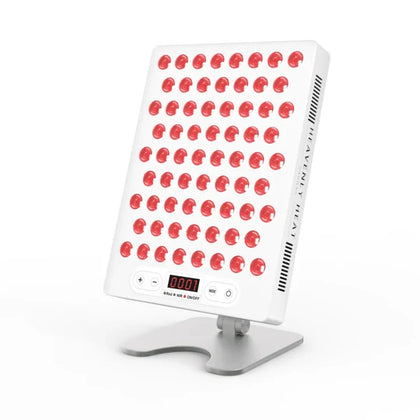
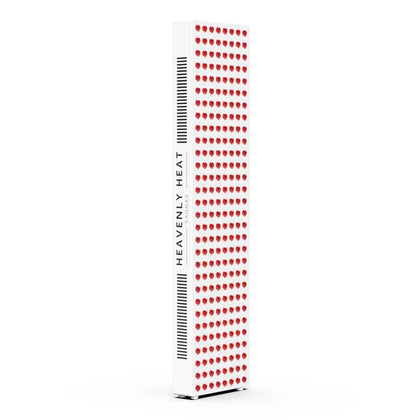
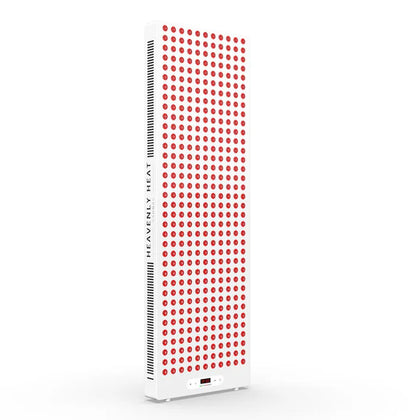
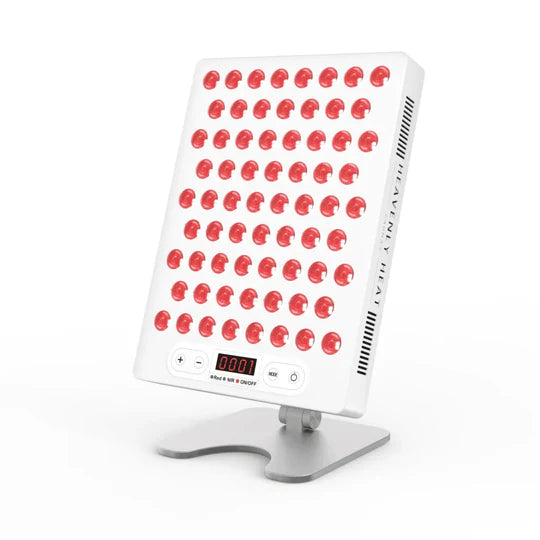
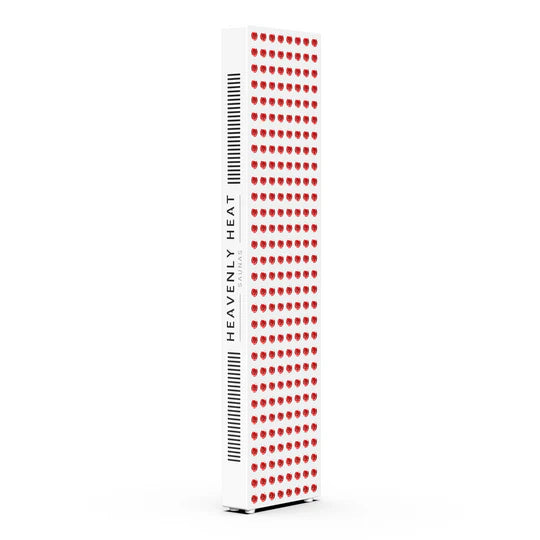
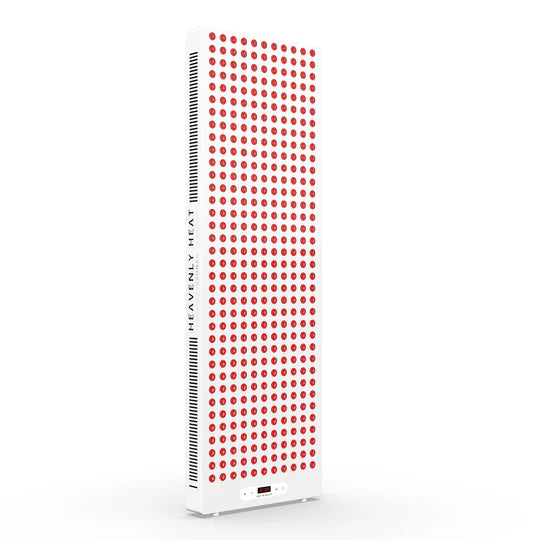
Red light therapy uses low level red and near infrared light to penetrate your skin and activate your cells.
When the light reaches your mitochondria, it increases energy production, helping your body repair faster.
This process supports collagen production, reduces inflammation, improves circulation, treats skin concerns, eases pain, and can stimulate hair growth safely without UV damage or major risks.
Benefits of Red Light Therapy
Promotes Skin Health and Rejuvenation
Red light therapy works by stimulating your skin cells to produce more energy, boosting collagen, reducing inflammation, and fighting oxidative stress, all key for healthier, younger-looking skin.
Essentially, it helps your skin repair and rejuvenate from the inside out. A study on 20 women using a red LED mask for three months showed noticeable improvements in wrinkle depth, firmness, and skin smoothness, with results lasting even a month after stopping.
Another study found red light enhanced skin cell activity and reduced inflammation, speeding up overall skin healing.

Reduces Inflammation and Pain
Red light therapy helps reduce inflammation by stimulating the body’s cells to heal and regulate stress.
When red and near-infrared light penetrates the skin, it boosts mitochondrial activity, increases energy (ATP), and modulates calcium and nitric oxide levels, which collectively calm overactive inflammatory responses.
A study on red LED light (660 nm) found that brief exposure reduced pain and inflammation in multiple acute models, lasting up to three hours.
Another review highlighted that this therapy can lower oxidative stress and inflammatory markers in joints, the brain, and even lungs, showing its wide-reaching anti-inflammatory potential.
Action |
Effect |
Response |
Outcome |
Red light therapy stimulates the body’s cells |
Increased cellular activity and energy production |
Cells heal damaged tissue and regulate stress levels |
Reduced inflammation |
Accelerates Muscle Recovery and Healing
Red light therapy, also called photobiomodulation, helps accelerate muscle recovery by stimulating the body’s natural repair processes.
When red or near-infrared light penetrates the skin, it boosts mitochondrial activity, increasing ATP production, the energy muscles need to heal.
It also reduces inflammation, supports blood vessel growth, and activates satellite cells that repair damaged fibers.
One review of 46 clinical trials found that both pre- and post-exercise red light therapy improved muscle performance, reduced soreness, and enhanced recovery in athletes and volunteers. Another study highlighted its role in speeding skeletal muscle regeneration at the cellular level.
Enhances Cellular Energy and Metabolism
Red light therapy helps cells produce more energy by stimulating ATP, the fuel that powers every cell. This boost in energy naturally enhances metabolism, helping your body process nutrients efficiently.
Regular use can speed up muscle recovery and support growth after workouts, making you feel stronger and more energized.
Many users notice higher overall energy levels and reduced fatigue within just a few sessions. By improving cellular function, red light therapy gives your body the tools to perform at its best, supporting both daily energy and long-term metabolic health.
Supports Joint Health and Mobility
Red light therapy can help keep your joints moving smoothly and ease stiffness. It works by stimulating cells’ mitochondria, which jump-starts tissue repair, reduces inflammation, and supports cartilage health.
Essentially, it encourages your joints to heal naturally without drugs or invasive treatments. A 2021 review found that low-level light therapy reduced pain and improved mobility in people with knee osteoarthritis.
Another study highlighted that photobiomodulation can safely relieve chronic musculoskeletal pain, making it a promising, side-effect-free option for joint health and everyday movement.
Boosts Mood and Cognitive Function
Red light therapy supports mood and cognitive function by stimulating mitochondrial activity in brain cells, helping them produce more energy and improving blood flow and oxygen delivery to neural tissue.
This can enhance focus, mental clarity, and emotional balance. According to the Journal of Brain and Behavior, a large review found phototherapy significantly improved cognitive scores in dementia patients, reinforcing its brain-boosting potential for aging minds.

Improves Sleep Quality and Circadian Rhythm
Red light therapy helps regulate your circadian rhythm by signaling your body when it’s time to rest, making falling asleep easier.
It encourages deeper, more restorative sleep, improving both quality and duration. People struggling with insomnia often find relief after consistent use, waking up feeling refreshed rather than groggy.
Using red light therapy a few times a week can establish a healthier sleep pattern and reduce nighttime restlessness.
Over time, better sleep enhances mental clarity, mood, and overall physical health. By supporting your body’s natural rhythms, red light therapy creates lasting improvements in energy, focus, and wellbeing.
Action |
Effect |
Response |
Outcome |
Use red light therapy |
Tells your body it’s time to rest |
Body relaxes and gets ready for sleep |
You fall asleep easier |
Benefits of Sunlight
Boosts Vitamin D Production
Spending time in sunlight helps your body produce vitamin D naturally, which is essential for bone health and overall metabolism.
When UVB rays hit your skin, a compound called 7-dehydrocholesterol converts into previtamin D3, which then becomes vitamin D3.
This vitamin is later processed in the liver and kidneys into its active form, 1,25-dihydroxyvitamin D, supporting calcium balance and many bodily functions.
According to the Dermato-Endocrinology Journal, factors like skin color, age, season, and even sunscreen can affect this process.
Getting sensible sun exposure can help maintain healthy vitamin D levels, which may reduce the risk of chronic diseases and support overall well-being.

Enhances Mood and Reduces Stress
Sunlight naturally lifts mood by triggering the brain to release serotonin, a neurotransmitter linked to happiness and calm, while also helping regulate circadian rhythms that control sleep and stress hormones like cortisol.
When sleep improves and stress hormones stabilize, anxiety and low mood tend to ease. Research supports this effect.
A study of nearly 800 operating room nurses found that greater daily sunlight exposure was linked to significantly better mental health scores.
Similarly, research on 444 employees showed direct and indirect sunlight reduced anxiety and depressed mood while improving overall well-being at work.
Action |
Effect |
Response |
Outcome |
Exposure to sunlight |
Brain releases serotonin |
Increased feelings of calm and happiness |
Improved mood |
Supports Healthy Sleep Patterns
Sunlight supports healthy sleep by setting your internal body clock. When natural light enters the eyes, especially in the morning, it signals the brain to reduce melatonin, increase alertness, and anchor the circadian rhythm.
This daytime signal helps the body know when to feel awake and when to feel sleepy later at night.
Supporting this, a Brazilian study of 1,762 adults found that morning sunlight exposure shifted sleep timing earlier and improved sleep quality.
Similarly, a UK Biobank study linked more daytime outdoor light to fewer insomnia symptoms and easier wake-ups.

Strengthens Bones
Sunlight helps strengthen bones by boosting your body’s vitamin D production, which is essential for calcium absorption and bone health.
When your skin is exposed to sunlight, ultraviolet B (UVB) rays convert a cholesterol compound in your skin into vitamin D3, which is then processed by your liver and kidneys into its active form.
This active vitamin D helps your body absorb calcium more efficiently, keeping bones strong and resilient.
According to the American Journal of Clinical Nutrition, sensible sun exposure just a few times per week can help prevent vitamin D deficiency, reducing risks of osteoporosis and bone-related issues.

Improves Skin Health
According to MedlinePlus, the skin uses sunlight to produce vitamin D, which supports healthy skin and normal bone development, but excessive UV exposure can damage skin cells and accelerate aging.
With proper protection and balanced exposure, sunlight can be beneficial. Bringing more natural light into your home supports this balance, boosting mood, energy, and comfort while allowing you to enjoy daylight’s skin-supporting benefits safely indoors through thoughtful window design choices.
Promotes Heart Health
Sunlight can do more for your heart than you might think. When UV rays hit your skin, they trigger a release of nitric oxide, a compound stored in your skin, which helps relax and widen your blood vessels.
This natural vasodilation can lower blood pressure and improve overall cardiovascular function.
Interestingly, these benefits go beyond vitamin D. According to a review in the Journal of Blood Purification, regular sun exposure is linked to reduced heart disease risk and lower blood pressure, supporting better heart health naturally.

Increases Energy and Productivity
Sunlight naturally boosts energy by triggering hormones that wake up your body and mind, helping you feel more alert throughout the day.
When you step outside, it improves focus and productivity, making tasks easier to tackle with clarity. The warmth and brightness of sunlight lift your mood and motivation, reducing fatigue and stress.
Spending even 15–30 minutes outdoors daily gives your body enough light to recharge and stay alert.
Sunlight also regulates your sleep cycle, so you wake up refreshed and ready to work. Simple habits, like taking breaks outside or opening windows, bring sunlight into your daily routine effortlessly.

Can you combine Red Light Therapy and Sunlight?
You can combine red light therapy and sunlight to support overall wellness. Sunlight helps you make vitamin D and lift mood, while red light therapy boosts cellular energy and reduces inflammation.
Use red light before sun to prepare skin or after to soothe it. Always wear sunscreen, limit peak sun, and remember red light does not replace vitamin D.
FAQ
Does red light therapy provide vitamin D like sunlight?
You do not get vitamin D from red light therapy because it does not contain UVB rays. Sunlight uses UVB to help your skin make vitamin D for bones and immunity. Red light therapy uses red and near infrared light to boost energy, reduce inflammation and improve skin health but it cannot replace safe sun exposure for your overall health.
Is red light therapy safer than UV exposure from the sun?
You may wonder if red light therapy is safer than sun exposure, and it generally is. You use low energy red and near infrared light that supports skin cells without harmful UV rays. Unlike sunlight, it does not burn skin or damage DNA, making it a safer option when used correctly with basic eye protection and proper device guidance followed.

Ryan "The Sauna Guy"
Ryan has been using and writing about saunas extensively since 2019.


