











Red Light Therapy for Keratosis Pilaris: Can It Help Smooth Your Skin?


Painless tiny bumps on your arms, thighs, or cheeks, rough “sandpaper” skin, and flares during dry seasons make Keratosis Pilaris more than just a cosmetic nuisance.
Left untreated, it can sap confidence and make even simple outfits feel uncomfortable. Could Red Light Therapy be the gentle, effective solution your skin has been craving? Discover how it might help smooth your skin.
Key Takeaways
Red Light Therapy Can Help: Regular sessions may reduce redness and smooth rough skin caused by keratosis pilaris.
Understand Your Skin: Keratosis pilaris is harmless, often genetic, and caused by keratin buildup in hair follicles.
Consistency Matters: Combining RLT with moisturizing and gentle exfoliation improves long-term results.
Safe When Used Properly: Follow instructions, use protective eyewear, and consult a professional if you have sensitive conditions.
Know Who Benefits Most: RLT can help with skin health, pain relief, muscle recovery, and even sleep for some individuals.
Does Red Light Therapy Actually Help Keratosis Pilaris?
Red light therapy (RLT) can help improve keratosis pilaris by reducing redness and smoothing rough skin, as small studies show noticeable texture improvement after regular sessions.
It’s safe when used correctly, non-invasive, and may benefit those with chronic skin issues. However, results vary, and precautions are needed for sensitive conditions, pregnancy, or photosensitive medications.
Understanding Keratosis Pilaris
According to Healthline, keratosis pilaris, often called “chicken skin”, is a common, harmless skin condition that causes small, rough bumps to form when dead skin cells clog hair follicles.
It occurs due to a buildup of keratin, a natural protein that protects the skin, but in this case blocks pores instead of shedding normally.
While the exact reason some people develop keratosis pilaris and others do not remains unclear, experts believe genetics and underlying skin conditions play a significant role.
The condition is not contagious, does not pose health risks, and often improves with age.
Primary causes and contributing factors include:
Keratin buildup: Excess keratin plugs hair follicles, creating rough, sandpaper-like bumps.
Genetic predisposition: A family history increases the likelihood of developing it.
Dry skin conditions: Eczema and generally dry skin raise the risk.
Hormonal changes: Puberty and pregnancy can trigger flare-ups.
Possible vitamin A deficiency: Low levels may worsen symptoms in some people.
Although keratosis pilaris can affect self-confidence due to its appearance, it rarely interferes with physical health.
Daily life impacts are usually cosmetic, such as discomfort wearing short sleeves. A practical, hopeful approach includes consistent moisturizing with urea or lactic acid lotions, gentle exfoliation, and maintaining skin hydration, simple steps that can noticeably smooth skin over time and help many people feel more comfortable in their own skin.

Research and Clinical Studies on Red Light Therapy for Keratosis Pilaris
Red light therapy (RLT) has emerged as a potential option for managing keratosis pilaris (KP), a condition where current treatments often leave patients unsatisfied.
A small pilot study explored the effects of photopneumatic therapy (PPx), a form of light-based treatment, on ten patients with KP.
After a single session on the upper arm, improvements were noticeable within a month: investigators observed a 27% reduction in redness and a 56% improvement in skin texture, while patients reported 52% and 53% improvements, respectively.
Most participants expressed satisfaction and indicated they would choose the treatment again. Although the study was limited by its small sample size, short follow-up, and lack of blinding, the results are promising.
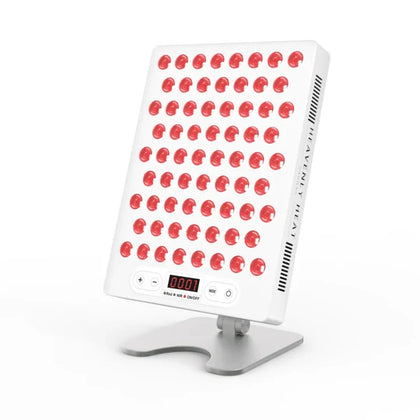
Based on research and existing guidelines, RLT is typically recommended 1–2 times per week, with sessions lasting 10–20 minutes.
Regular use may help improve both the redness and rough texture associated with KP, offering a simple, non-invasive approach that patients can realistically incorporate into their skincare routine.
Who Can Benefit Most from Red Light Therapy?
Red light therapy has been gaining attention for its wide-ranging benefits across skin health, pain management, muscle recovery, and sleep.
Research published in the Skin Research and Technology Journal shows that red LED photobiomodulation can improve skin quality, reduce wrinkles, and enhance elasticity by stimulating cellular energy and reducing oxidative stress.
For those dealing with chronic pain or inflammation, the European Journal of Physical and Rehabilitation Medicine highlights that red light therapy can effectively relieve musculoskeletal pain, osteoarthritis, fibromyalgia, and even post-surgery discomfort, offering a safe, non-drug alternative.
Athletes may also find it helpful, as small studies suggest it can boost muscle strength, endurance, and recovery when combined with exercise.
Moreover, insights from the Frontiers in Psychiatry Journal reveal that red light exposure before bedtime can influence sleep patterns and mood, potentially improving sleep efficiency in individuals with insomnia.
Overall, red light therapy presents a versatile, non-invasive approach for anyone looking to enhance wellness, from skin rejuvenation to pain relief and better rest.
Risks, Side Effects, and Precautions of Red Light Therapy
Red light therapy (RLT) is generally safe when used as directed, and it doesn’t damage DNA or increase skin cancer risk like UV light.
However, overuse or improper use can cause temporary side effects such as skin redness, dryness, or irritation, eye strain, and, in rare cases, burns.
Excessive exposure may even reduce the therapy’s effectiveness. To stay safe, it’s important to follow device instructions, use protective eyewear, choose FDA-cleared devices, and consult a healthcare professional if you notice persistent discomfort.
Certain people should take extra precautions or avoid RLT altogether. This includes those with photosensitive conditions, active or past cancer, pregnancy, breastfeeding, or individuals on photosensitizing medications.
People with epilepsy, hyperthyroidism, open wounds, pre-existing eye issues, or medical implants should also seek professional advice before use.
Listening to your body and following guidelines ensures that red light therapy can be both safe and beneficial.

Ryan "The Sauna Guy"
Ryan has been using and writing about saunas extensively since 2019.


