











19 Best Ways to Get Rid of Back Pain Without Medicine


Suffering from a dull muscle ache, sharp stabbing pain, or a burning sensation that radiates down your leg?
Back pain can make bending, lifting, or even walking unbearable, quietly stealing your freedom and focus.
Ignoring it only worsens posture, mobility, and daily stress. Fortunately, there are effective, drug-free ways to relieve it, discovering 19 methods that truly work.
Table of contents
Key Takeaways
Stretch and Move Daily: Gentle stretches and mobility exercises help reduce stiffness and improve flexibility.
Strengthen Your Core: Core-focused workouts like Pilates, yoga, or the McGill Big 3 protect your spine naturally.
Use Heat, Cold, and Massage: Apply heat, ice, or massage to relax muscles, reduce inflammation, and relieve pain.
Mind Your Posture and Ergonomics: Proper alignment at work and home prevents strain and protects your back.
Support Your Body Holistically: Walking, swimming, sleep adjustments, mindful breathing, and anti-inflammatory foods all aid long-term back health.
19 Best Ways to Get Rid of Back Pain Without Medicine
Stretch Your Back Daily
According to Healthline, stretching your back daily can ease stiffness, improve flexibility, and reduce lower back pain caused by tight or overworked muscles.
Gentle stretches help relax the spine and support better movement over time. According to Verywell Health, simple moves like knee-to-chest, cat-cow, and child’s pose gently stretch and strengthen the back, making daily activities more comfortable and helping prevent recurring pain without relying on medication.
Strengthen Your Core Muscles
Strengthening your core is one of the most effective, drug-free ways to reduce back pain because your core acts like a natural support belt for your spine.
Research shows that stability-focused exercises, especially isometric ones that limit spinal movement, work best.
The gold standard is the McGill Big 3: the curl-up, bird-dog, and side plank. These exercises strengthen deep muscles like the transversus abdominis, multifidus, and obliques without putting harmful pressure on spinal discs.
Movements such as glute bridges, dead bugs, gentle planks, and abdominal drawing-in further train your body to keep the spine neutral while your arms and legs move.
Biomechanically, a strong core spreads loads evenly, increases intra-abdominal pressure, improves posture, and absorbs shock, so your lower back doesn’t take all the strain.
Over time, this “muscular corset” reduces excessive compression and awkward movements that often trigger pain, making everyday tasks safer and more comfortable.
Try Yoga
If you’re dealing with back pain, gentle yoga might be your secret weapon. By stretching tight muscles, strengthening your core, and improving posture, yoga eases pressure on your spine and helps your body move more freely.
A review of multiple studies found that yoga can reduce chronic low back pain and improve mobility, while also being safe and well-received.
Another study showed that even 12 weeks of virtual yoga classes significantly lowered pain, improved back function, and reduced reliance on pain medication.
Evidence Type |
Action / Habit |
Outcome / Result |
Study published in Complementary and Alternative Medicine journal |
virtual yoga classes |
Reduce lower back pain |
Practice Pilates for Support
According to the Hospital for Special Surgery, Pilates isn’t just about abs, it strengthens the entire core, including the back, pelvic floor, and diaphragm, which helps support the spine and reduce back pain.
According to Healthline, Pilates is a low-impact exercise suitable for all levels, focusing on controlled movement, breathwork, and flexibility.
Together, these benefits make Pilates a gentle yet powerful way to ease back pain without medicine.
Maintain Proper Posture
According to Harvard Health Publishing, most back pain develops from everyday habits like prolonged sitting or repetitive tasks, and improving posture helps keep the spine properly aligned, reducing muscle tension and strain.
Similarly, MedlinePlus explains that good posture maintains the spine’s natural curves, preventing misalignment that leads to back pain.
Being mindful of posture while sitting, standing, and moving can significantly reduce discomfort and protect long-term back health.
Optimize Your Workstation Ergonomics
Poor workstation ergonomics are a hidden but powerful contributor to chronic back pain because they quietly force your body into unnatural positions for hours every day.
When your chair lacks lumbar support, your screen sits too low or too high, or your desk layout causes constant reaching, your spine drifts out of its natural curve.
Over time, this leads to muscle fatigue, reduced blood flow, spinal disc pressure, and muscle imbalances that turn mild discomfort into persistent pain.
Research highlighted in The Malaysian Journal of Medical Sciences reinforces this connection, showing that improved workstation habits, especially better chair, desk, keyboard, and mouse use, significantly reduced lower back and neck pain among computer users.
Proper screen height keeps your neck neutral, supportive seating protects the lower back, and a well-organized desk prevents twisting and shoulder strain.
Simply put, optimizing your workstation helps your spine stay aligned, your muscles relaxed, and your back pain under control, without relying on medication.
Evidence Type |
Action / Habit |
Outcome / Result |
Research highlighted in The Malaysian Journal of Medical Sciences |
When you improve workstation habits |
it will reduce lower back |
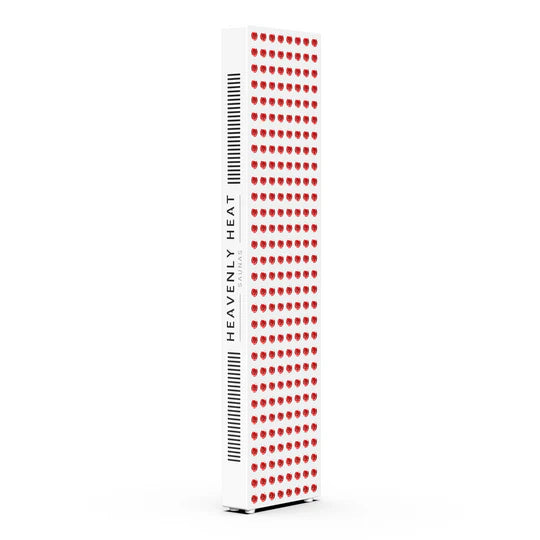
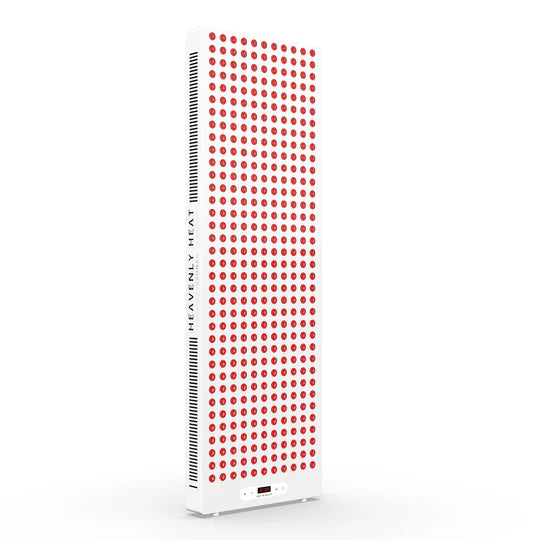
Apply Heat Therapy
Applying heat to your lower back can do more than just feel comforting, it actually works to ease pain.
Heat therapy relaxes tense muscles, boosts blood flow, and improves flexibility, making everyday movements easier.
Research shows that continuous, low-level heat can reduce discomfort and strengthen muscles in people with mild-to-moderate low back pain.
In fact, a European survey of healthcare professionals found that heat therapy is used for 92% of low back pain cases because it’s safe, effective, and helps patients manage pain on their own.
Evidence Type |
Action / Habit |
Outcome / Result |
Study published in European survey of healthcare professionals |
heat therapy |
found safe and effective method for lower back pain |
Use Cold Therapy
Cold therapy helps reduce back pain by numbing sore muscles and easing inflammation. Apply ice as soon as pain starts or after physical activity to calm swelling.
Keep the ice pack on your back for about 15–20 minutes at a time, and repeat a few times a day if needed.
It can prevent swelling and speed up recovery after strain. Always wrap the ice in a cloth to avoid skin burns, and don’t use it directly on broken skin.
Cold therapy is safe for most people when used correctly, making it a simple, effective relief method.

Get a Therapeutic Massage
Massage can help relieve back pain by loosening tight muscles, improving blood flow, and reducing tension in the spine.
This process not only eases discomfort but also allows the body to move more freely, making daily activities easier.
For example, a case study of a 63-year-old man with chronic back pain from multiple conditions showed significant improvement in walking, pain levels, and even reduced reliance on medication after four massage sessions.
Similarly, a review of clinical trials suggests massage may be as effective as other therapies for low back pain, highlighting its potential as a natural, accessible treatment.
Practice Mindfulness Meditation
Practicing mindfulness meditation can help reduce back pain by training your mind to focus on the present moment, relax tense muscles, and lower stress, which often amplifies pain.
Simple techniques like body scans, sitting, or walking meditation teach your body to release tension and your brain to respond differently to discomfort.
Research supports this approach: one study found women with chronic low back pain who practiced mindfulness reported significantly less pain and better physical and mental quality of life.
A larger review also showed meditation can reduce short-term pain intensity and improve overall wellbeing in back pain patients.
Do Deep Breathing Exercises
If you’re looking for a simple, medicine-free way to ease back pain, deep breathing exercises can be surprisingly effective.
Research highlighted in the Complementary Therapies in Medicine journal analyzed 11 randomized controlled trials with 383 patients and found that those who practiced breathing exercises experienced significantly less pain and improved mobility compared to control groups.
But why does this work? Physiologically, deep, diaphragmatic breathing relaxes the parasympathetic nervous system, the body’s “rest and digest” mode, reducing stress hormones like cortisol and loosening tight muscles.
By expanding the diaphragm, these exercises increase intra-abdominal pressure, stabilizing the spine much like a natural weightlifting belt.
This gentle motion also improves blood flow, oxygen delivery, and releases tension in the lumbar and psoas muscles, common culprits in lower back discomfort.
Even short sessions, whether lying down or sitting upright, can provide relief, especially when exhalations are slow and controlled.
Overall, breathing deeply is a safe, evidence-supported method that helps your back feel lighter, more relaxed, and less achy.
Evidence Type |
Action / Habit |
Outcome / Result |
Study published in Complementary Therapies in Medicine journal |
breathing exercises |
relieve back pain |
Use a Foam Roller
Foam rolling loosens tight muscles and relieves back pain by increasing blood flow and reducing tension.
Focus on your lower back, upper back, and sides for the best results. Spend about 5–10 minutes per session, rolling slowly and stopping on sore spots.
Regular use can improve posture and prevent stiffness by keeping your muscles flexible. Beginners should start gently to avoid discomfort and gradually increase pressure.
Using a foam roller three to four times a week can make a noticeable difference in back strength and flexibility. This simple routine helps your back feel lighter and more relaxed.
Walk Regularly for Low-Impact Exercise
Walking is a gentle, low-impact exercise that eases back pain by improving blood flow and strengthening supporting muscles.
Aim to walk at least 30 minutes most days, keeping a comfortable pace that doesn’t strain your back.
Regular walking strengthens core and leg muscles, which support your spine and prevent stiffness. Even people with moderate pain can benefit by starting slowly and using supportive shoes.
To avoid aggravating your back, maintain good posture, keep your steps steady, and listen to your body.
Walking outdoors also boosts mood and energy, making it an easy, effective way to relieve back discomfort.
Swim or Do Water Therapy
Water therapy can be a gentle yet powerful way to ease back pain. The buoyancy of water supports your body, reducing pressure on your spine while allowing you to move freely.
Simple exercises like leg lifts, squats, or floating with a buoyancy board can strengthen your back, core, and glutes without straining painful muscles.
A 2022 review found aquatic therapy improved pain, quality of life, and disability in chronic low back pain patients.
Another study showed most water exercises were virtually pain-free while effectively engaging key muscles.
Try Acupuncture
Acupuncture helps relieve back pain by stimulating specific points on the body with tiny needles, which can boost blood flow, relax muscles, and trigger the body’s natural painkillers.
According to a study published in JAMA Network, older adults with chronic low back pain experienced significant improvement in pain and disability after acupuncture, proving it’s a safe, effective option!
Consider Chiropractic Care
According to MedlinePlus, chiropractic care focuses on hands-on spinal adjustments that help improve spinal movement, reduce nerve pressure, and ease back pain by restoring proper alignment.
This approach can be especially helpful for short-term or recurring back pain. According to the Mayo Clinic, chiropractic adjustments use controlled force to improve mobility and function, often reducing low back pain naturally, without medicine, when performed by trained professionals.
Practice Tai Chi
According to the Arthritis Foundation, Tai Chi is a gentle, low-impact Chinese martial art that helps relieve back pain by strengthening core muscles, improving posture, balance, and flexibility, and reducing stress.
According to Everyday Health, its slow, flowing movements combined with deep breathing and mindfulness enhance mobility and coordination, making Tai Chi an effective, medication-free way to manage and prevent ongoing back pain naturally.
Adjust Your Sleep Position
Your sleep position can have a surprising impact on back pain. The Mayo Clinic recommends that if you sleep on your back, placing a pillow under your knees can help relax your back muscles and maintain the natural curve of your lower spine.
Supporting your neck with a properly aligned pillow also keeps your head, chest, and back in harmony.
Research shows that maintaining neutral spinal alignment while sleeping is key to easing chronic back pain.
When your spine rests in its natural position, muscles can fully relax, discs can rehydrate, and pressure on vertebrae is reduced, leading to less stiffness and inflammation.
Side sleeping with a pillow between your knees, lying on your back with knee support, or even a gentle fetal position can significantly relieve discomfort, while sleeping on your stomach is generally discouraged.
Choosing a medium-firm mattress and supportive pillows further enhances spinal alignment, improves sleep quality, and helps break the cycle of pain caused by poor sleep. Proper positioning truly lets your spine recharge overnight.
Eat for Healthy Muscles and Joints
Eating the right foods can play a powerful role in keeping your muscles and joints healthy while reducing back pain.
Research highlighted by the American Journal of Lifestyle Medicine shows that lifestyle factors, like nutrition, physical activity, and sleep, can reduce inflammation, improve joint function, and even ease arthritis-related pain.
Certain nutrients, such as omega-3 fatty acids, curcumin, magnesium, antioxidants, and fiber, are particularly effective.
Experts at the International Spine, Pain & Performance Center and Mountain Spine & Pain explain that foods like fatty fish, turmeric, ginger, berries, leafy greens, citrus, olive oil, nuts, and whole grains help fight inflammation and support recovery.
Vitamins and minerals are equally important: vitamin D and calcium, for example, strengthen bones, improve muscle function, and reduce the risk of fractures or joint pain.
Combining these nutrient-rich foods with regular movement, quality sleep, and other healthy habits creates a holistic approach that goes beyond temporary relief, helping your back and joints stay strong and functional for the long term.

Ryan "The Sauna Guy"
Ryan has been using and writing about saunas extensively since 2019.


