











14 Best Ways to Relieve Menstrual Cramps Naturally


Throbbing lower abdominal pain, backaches, nausea, and dizziness can make menstrual days feel unbearable.
Ignoring these cramps only disrupts work, social life, and mood, leaving you drained and frustrated. But relief doesn’t have to come from medication alone, natural solutions exist that can soothe your body and reclaim your comfort. Discover 14 effective ways to ease cramps naturally.
Key Takeaways
Apply Heat for Relief: Use heating pads or warm compresses to relax your abdominal muscles.
Move Gently: Gentle exercise, yoga, and stretching can reduce tension and ease cramps.
Nourish Your Body: Stay hydrated, eat anti-inflammatory foods, and consider magnesium or vitamin supplements.
Try Natural Therapies: Massage, essential oils, herbal teas, acupuncture, and mindfulness can help calm pain.
Rest and Relax: Prioritize sleep, meditation, and downtime to lower stress and make cramps more manageable.
14 Best Ways to Relieve Menstrual Cramps Naturally
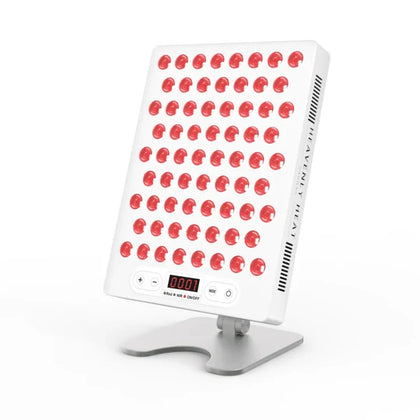
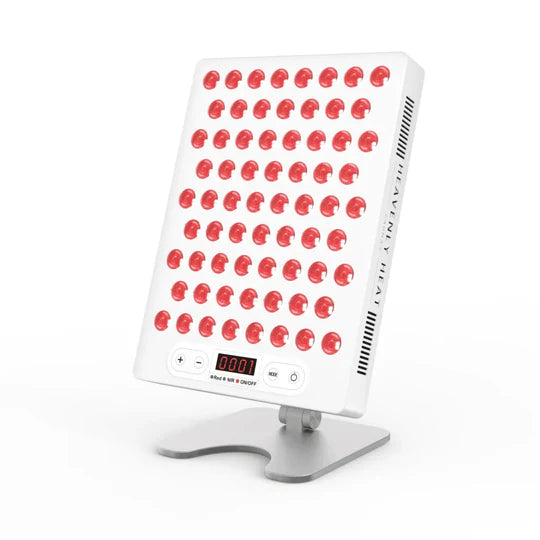
Apply Heat to Your Abdomen
Applying heat to your lower abdomen can be a simple but powerful way to ease menstrual cramps.
Warmth helps relax the uterine muscles, increases blood flow, and reduces the intensity of painful contractions.
Research supports this approach: a review of multiple clinical trials found that heat therapy, like heating pads, often worked as well as painkillers in relieving menstrual pain.
Another study showed that using a hot water bottle, therapeutic mud plaster, or cherry pit bag before and during menstruation significantly reduced abdominal and lower back pain, improving overall comfort and quality of life.
Practice Gentle Exercise
According to The British Journal of General Practice, menstrual cramps and back pain are common symptoms of primary dysmenorrhoea, and while exercise is often recommended, high-quality evidence of its effectiveness is limited.
Gentle exercises, however, can still offer relief. According to Dedicated Senior Medical Center, simple movements like Cat-Cow stretches, neck rotations, and deep breathing improve back flexibility, reduce tension, and promote relaxation, making daily discomfort more manageable and enhancing overall well-being naturally.
Try Yoga
Yoga can help relieve menstrual cramps by stretching and relaxing the muscles in the lower abdomen, back, and thighs, improving blood flow, and calming the nervous system to reduce stress-induced hormonal imbalances that often worsen pain.
A review of 10 studies found that practicing yoga, through asanas, pranayama, and Yoga Nidra, significantly reduced dysmenorrhea while improving pain tolerance and lowering stress levels.
In addition, a randomized controlled trial with undergraduate students showed that a 12-week yoga program decreased both menstrual pain and menstrual distress, suggesting yoga is an effective, natural way to ease period discomfort.
Massage Your Lower Belly
Gently massaging your lower abdomen can be a surprisingly effective way to ease menstrual cramps.
Research highlighted in Evidence-based Complementary and Alternative Medicine shows that aromatherapy abdominal massage, using oils like lavender, rose, cinnamon, and clove, significantly reduces both the intensity and duration of menstrual pain, as well as excessive bleeding.
Effective techniques include slow, clockwise circular motions on the lower belly, applying steady pressure to the lower back or pelvic area, and using warm therapeutic oils to boost relaxation and circulation.
For best results, massage your abdomen for 10–15 minutes, once or twice daily, ideally starting a few days before your period.
Methods like circular strokes, upward palm motions, or the I-L-U tracing technique help target tension and improve blood flow.
Regular practice, rather than occasional sessions, often brings noticeable relief within just a few days.
Combining massage with gentle heat can further soothe cramps, making this a safe, non-drug approach to managing menstrual discomfort.
Drink Herbal Teas
Drinking herbal teas, like green or oolong, can help relax your uterus and reduce inflammation, easing the intensity of menstrual cramps.
The warm liquid also improves blood flow, which can soothe pelvic pain naturally. According to a study published in the British Medical Journal, women who regularly drank green or oolong tea had a lower prevalence of menstrual cramps, highlighting how simple tea rituals may bring real relief.
Action |
Effect |
Response |
Outcome |
Drinking herbal teas (green or oolong) |
Uterus relaxes and inflammation is reduced |
Decreased intensity of menstrual cramps |
Relief from menstrual pain |
Stay Hydrated
Staying hydrated is a simple yet powerful way to ease menstrual cramps. Water helps reduce bloating, flush out excess sodium, and support proper blood flow, which can make cramps less painful.
It also fights fatigue and dehydration-related headaches that often hit during your period. Experts, like Dr. Ly from Scripps Health, recommend sipping water throughout the day, before you feel thirsty, to keep your body balanced and comfortable.
Use Essential Oils
Essential oils can help relieve menstrual cramps by calming muscle contractions and reducing inflammation in the uterus.
When applied through a gentle abdominal massage, oils like lavender, clary sage, and rose are absorbed into the skin and interact with the nervous system, promoting relaxation and easing pain signals.
Research supports this approach: a randomized trial found women who received aromatherapy massage reported significantly lower menstrual cramps and less severe dysmenorrhea compared to those who received a placebo or no treatment.
Additionally, a review of 30 studies concluded that aromatherapy is an effective natural option for reducing menstrual pain.
Eat a Balanced Diet
Maintaining a balanced diet can play a big role in easing menstrual cramps. Research highlighted in Healthcare journal shows that women with heavier menstrual pain often consume less animal protein, fish, vitamin D, and vitamin B12, and skip meals like breakfast more frequently, which can worsen PMS symptoms.
Studies also suggest that specific nutrients, such as omega-3 fatty acids, magnesium, zinc, and vitamins D, E, and B6, may reduce cramps and improve premenstrual symptoms when included in the diet.
Eating anti-inflammatory foods like fruits, vegetables, whole grains, nuts, seeds, and fatty fish can help lower prostaglandin levels, the compounds that trigger painful uterine contractions.
Fiber-rich foods support estrogen balance, while healthy fats aid hormone production, helping the uterus relax.
Conversely, processed foods, excess sugar, and unhealthy fats can worsen pain. By focusing on nutrient-dense, whole foods and consistent meal habits, the body can better manage hormonal shifts and inflammation, making periods more comfortable and improving overall well-being.
Limit Caffeine and Sugar
Many people assume that cutting caffeine can reduce menstrual cramps, but research from The American Journal of Clinical Nutrition suggests that caffeine intake isn’t strongly linked to premenstrual syndrome or period discomfort.
While coffee and tea are often limited in popular advice, studies show that reducing them may not significantly prevent cramps.
On the other hand, high sugar consumption can directly worsen menstrual pain. Sugar triggers inflammation by increasing prostaglandins, promoting uterine contractions, and causing bloating, water retention, and hormonal imbalances.
To ease discomfort naturally, focus on anti-inflammatory, nutrient-rich foods like leafy greens, salmon, nuts, bananas, and avocado.
Warm, caffeine-free drinks such as ginger tea, chamomile, or turmeric milk can relax muscles and reduce pain.
Avoiding processed foods, refined sugar, and excessive salt while incorporating these alternatives can make periods more manageable.
By choosing the right foods and drinks, you can support your body through menstruation without relying on caffeine or sugary comfort foods.
Take Magnesium and Vitamin Supplements
If menstrual cramps are a monthly struggle, magnesium and certain vitamins may offer some relief.
Magnesium works as a natural muscle relaxant, helping the uterus ease its contractions while also reducing inflammatory chemicals called prostaglandins that trigger pain.
It even blocks pain signals in the nervous system, improves blood flow, and supports hormonal balance, helping with mood swings and stress often linked to PMS.
While large studies are limited, some research suggests magnesium can help, and it’s generally safe to try, especially in forms like magnesium glycinate, citrate, or topical magnesium oil.
Pairing it with Vitamin B6 may enhance the effect. Other vitamins and minerals, including Vitamin D, Vitamin B1, Vitamin E, and Zinc, can also reduce cramps by easing inflammation, supporting healthy blood flow, and relaxing uterine muscles.
Before starting supplements, it’s best to consult a healthcare professional to find the right dose and combination for your needs.
Try Acupuncture
Acupuncture is a natural approach that may help relieve menstrual cramps by targeting specific points in the body to promote healing and balance.
According to the Osher Center for Integrative Medicine, it can release endorphins, improve blood flow, relax muscles, and reduce stress, factors that all contribute to easing period pain.
While research is still growing, many women report feeling more relaxed, less tense, and experiencing lighter, more manageable cramps.

Get Plenty of Rest
Resting is one of the easiest ways to ease menstrual cramps. Sleep helps your body repair itself and lowers stress, which can make cramps less intense.
A good 7 to 9 hours of sleep each night keeps fatigue from worsening pain, while short naps during the day give extra relief.
Creating a calm bedtime routine, like dim lights or gentle stretching, can help you sleep better during your period.
When you rest well, your mood improves, energy returns, and your body can naturally fight discomfort. Simple rest really makes a big difference.
Practice Meditation and Mindfulness
Meditation and mindfulness calm your mind and relax your body, which can reduce period pain naturally.
Even five minutes of deep breathing or guided meditation each day lowers stress, easing cramps and tension.
Beginners can start with simple techniques like focusing on your breath or visualizing a peaceful place.
Consistent mindfulness improves mood and emotional balance during menstruation. Controlled breathing not only relieves discomfort but also helps your muscles relax, making cramps less severe.
Over time, this practice enhances your overall menstrual health and gives you tools to manage pain without medication.
Use Natural Over-the-Counter Remedies
Natural remedies can provide quick and gentle relief from menstrual cramps. Herbal teas like chamomile or ginger reduce pain and soothe bloating, while heat packs relax tight muscles.
Over-the-counter supplements such as magnesium or vitamin B6 are safe and can help prevent severe cramps if used regularly.
You can apply heat several times a day or sip tea when discomfort starts. While natural remedies may work a bit slower than strong medications, they are gentle on the body and effective over time. Combining these methods keeps your cramps manageable without harsh side effects.
Causes of Menstrual Cramps
Uterus Contractions: Pain occurs when the uterus tightens to shed its lining.
Prostaglandins: Hormone-like substances that trigger strong contractions and reduce blood flow.
Endometriosis: Tissue similar to the uterus lining grows outside it, causing pain.
Uterine Fibroids: Noncancerous growths in the uterus that worsen cramps.
Adenomyosis: Uterus lining grows into the muscular wall, leading to severe cramps.
Other Factors: Heavy bleeding, stress, early periods, smoking, or lack of exercise can increase pain.
Medical Help: See a doctor if cramps are very painful or affect daily life.

Ryan "The Sauna Guy"
Ryan has been using and writing about saunas extensively since 2019.


