











Best Infrared Sauna Without Stains or Varnishes – Pure, Natural Wood Experience


If you want a sauna experience that feels pure and natural, a stain-free infrared sauna made from untreated wood is a great choice.
It keeps your space free from harsh chemicals while giving deep, relaxing heat. In this guide, you’ll learn why natural wood saunas are safer, healthier, and worth choosing for your home.
Key Takeaways
Choose untreated natural wood to reduce exposure to VOCs and harsh chemicals.
Prioritize low-EMF infrared saunas for safer and more comfortable daily use.
Avoid stains, varnishes, and synthetic sealants that can release fumes when heated.
Select durable natural woods like cedar, hemlock, or basswood for a cleaner experience.
Use infrared heat to enjoy deep warmth while keeping the air easier to breathe.

What Is a Natural Untreated Wood Infrared Sauna?
You use a natural untreated wood infrared sauna that heats your body directly with infrared panels instead of heating air.
It is built from raw cedar hemlock or basswood without chemicals stains or sealants so you avoid harmful VOCs.
You enjoy low temperature sessions, cleaner air and a safer hypoallergenic environment suitable for sensitive breathing and longer relaxation use comfort.
Best Infrared Sauna Without Stains or Varnishes
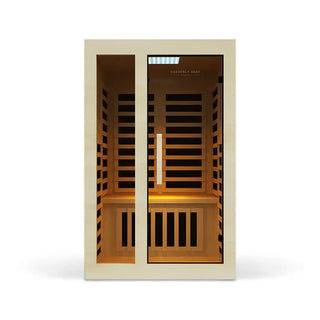
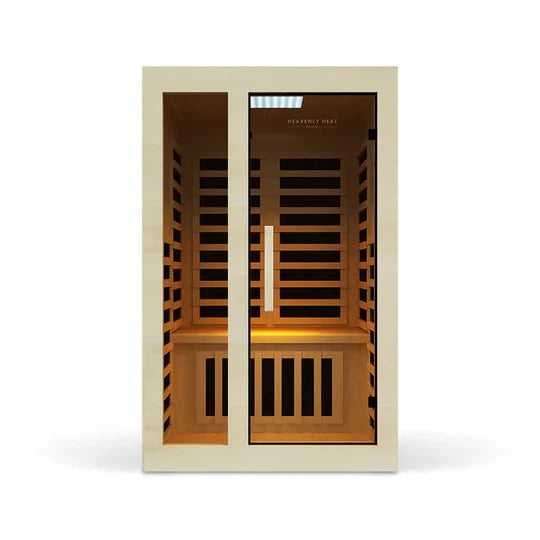
This 3-person infrared sauna from Heavenly Heat Saunas, naturally built without stains or varnishes, giving it a smooth, chemical-free finish that feels reassuring in a home setting.
The spacious design easily fits up to three people, while the carbon infrared panels deliver consistent heat that many users find effective for relaxation and recovery.
Low EMF design and solid Canadian hemlock wood give it a modern, clean feel, and assembly is straightforward with panel system, making it appealing for wellness-focused users seeking a non-toxic, comfortable home sauna experience without harsh finishes or complicated setup requirements overall and reliable long-term performance.
Why Chemical-Free Infrared Saunas Are Safer for Your Health and Home?
Chemical-free infrared saunas avoid toxic materials and synthetic finishes that can release harmful fumes
Many people ask what makes a chemical free infrared sauna safer than standard options. The answer starts with the materials.
Natural wood, low emission glues, and non toxic finishes help prevent harmful fumes during heating.
Readers also wonder if synthetic coatings release toxins over time. Yes, heat can increase chemical release, especially in small enclosed spaces.
A cleaner sauna reduces breathing discomfort and creates a more relaxing experience. Families often ask if this matters for daily use.
It does because repeated exposure can affect long term wellness. Choosing a sauna with natural construction supports safer indoor living while making every session feel fresh and comfortable.
Traditional saunas may release VOCs and chemicals when heated, affecting air quality and safety
Traditional saunas often use treated wood, strong adhesives, and synthetic sealants that release VOCs when temperatures rise.
Many readers ask why heated chemicals matter so much indoors. Warm air can trap fumes inside the sauna, making them easier to inhale.
People also wonder what symptoms poor sauna air quality can cause. Headaches, dizziness, throat irritation, and breathing discomfort appear in some cases.
Another common question involves children and sensitive users. They usually react faster to polluted indoor air.
A sauna should improve relaxation, not create hidden risks. Cleaner materials and better construction help protect indoor air quality while supporting a safer and more enjoyable wellness routine.
Exposure to sauna-related toxins can contribute to headaches, irritation, and long-term health risks
Many sauna users feel confused when they experience headaches or irritation after a session.
In some cases, toxins from heated materials may trigger these problems. Chemical fumes can irritate the eyes, nose, throat, and skin, especially during long sessions in enclosed spaces.
Readers often ask if short exposure still matters. Even low levels of repeated exposure may build up over time and affect overall health.
Some people also notice fatigue or breathing discomfort after using poorly made saunas. A cleaner infrared sauna reduces these concerns by avoiding harmful chemicals at the source.
This creates a calmer environment where users can focus on relaxation instead of unwanted side effects.
Infrared heat provides deep warming without burning or chemically altering the surrounding air
Many readers want to know why infrared heat feels different from traditional sauna heat. Infrared systems warm the body directly instead of overheating the surrounding air.
This creates a gentler experience that feels comfortable even during longer sessions. People also ask if infrared heat changes the air quality inside the sauna.
Because temperatures stay lower, the air avoids the harsh dryness and chemical reactions that high heat may cause.
Users often breathe more easily and feel less overwhelmed. Another important question involves effectiveness.
Infrared warmth still reaches deep into muscles and joints while keeping the environment calmer. This balance helps users relax, recover, and enjoy a cleaner wellness experience.
Chemical-free construction helps keep indoor air clean and safe during every session
A chemical free sauna does more than improve comfort because it also protects the air inside your home.
Many readers ask how sauna materials affect indoor spaces. Heated synthetic products can release fumes that spread beyond the sauna room and lower air quality indoors.
Natural materials help prevent this problem and support a cleaner environment during every session.
People also wonder if clean air improves relaxation. Fresh indoor air makes breathing easier and creates a calmer atmosphere.
Another common concern involves daily use. Regular sessions become safer when the sauna avoids toxic finishes and strong chemical smells.
Clean construction supports wellness while helping families maintain a healthier home environment.
Natural, non-toxic materials reduce long-term exposure risks in your home environment
Many homeowners ask why natural sauna materials matter for long term health. The answer comes from daily exposure.
Toxic finishes, adhesives, and treated wood may release small amounts of chemicals over time, especially with repeated heating.
Readers often wonder if these low levels still create concern. Long term exposure inside the home can slowly affect indoor air quality and overall comfort.
Natural wood and non toxic materials reduce these hidden risks while creating a cleaner living environment.
Families also appreciate the peace of mind that comes with safer construction. A well made infrared sauna supports relaxation without adding unnecessary chemical exposure, making it a smarter choice for long term wellness at home.
How to Choose a High-Quality Infrared Sauna Made From Pure Natural Wood?
Premium Wood Selection – Choose Canadian hemlock, western red cedar, or basswood for durability and safety.
Avoid Low-Grade Materials – Stay away from pine, MDF, and plywood as they may warp or release odors.
Strong Build Quality – Look for tongue-and-groove panel construction for better stability and long life.
Non-Toxic Finishing – Ensure the sauna uses chemical-free finishes and safe adhesives.
Efficient Heating System – Prefer high-quality carbon heaters for even, full-body heat distribution.
Low EMF & VOC Standards – Choose models certified for low electromagnetic fields and low emissions.
Natural Feel & Warranty – A good sauna feels sturdy, smells like real wood, heats evenly, and includes a reliable warranty.

Ryan "The Sauna Guy"
Ryan has been using and writing about saunas extensively since 2019.


