










Best Infrared Sauna with Lowest Possible VOC Exposure


People use infrared saunas to relax and improve health, but many worry about chemical exposure inside them.
Low VOC infrared saunas solve this concern by using safer materials and cleaner construction.
This guide helps you understand what makes a sauna non-toxic and how to choose one that protects your health every day effectively and safely.
Key Takeaways
You choose a sauna made from solid natural wood to reduce chemical exposure.
You avoid MDF, plywood, and glue-heavy construction to limit hidden VOC emissions.
You look for third-party lab testing and real operating-temperature VOC results before buying.
You keep ventilation strong during use to help reduce buildup of airborne chemicals.
You use lower, controlled heat settings because higher temperatures increase VOC release.

What Is a Low VOC Infrared Sauna?
You use a low VOC infrared sauna built with non toxic materials such as solid wood, low VOC glues, and natural finishes that reduce harmful chemical off gassing when heated.
You get safer indoor air quality compared to standard saunas using formaldehyde adhesives.
These saunas are often third party tested and designed for low EMF and sensitivity friendly use levels.
Are Infrared Saunas Safe for Long-Term Use and Chemical Exposure Risks?
You can generally use infrared saunas long term if you are healthy, but choose high quality models to avoid VOC chemicals from cheap wood and glues.
You should stay hydrated, start with short sessions, and ensure ventilation. Low EMF designs are safer.
You should avoid use if pregnant or ill and watch for dehydration or overheating risks over time use.
Best Infrared Sauna with Lowest Possible VOC Exposure
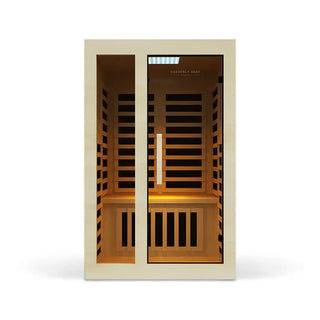
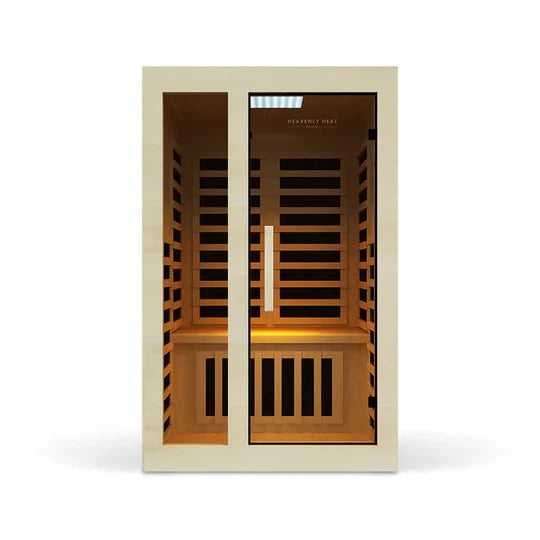
After using the Heavenly Heat 2 Person Red Light Infrared Sauna for a few weeks, I can honestly say it feels like a solid investment for home wellness.
The build quality is impressive, with natural wood and a clean finish that doesn’t feel chemical-heavy.
I appreciate the low EMF design and the claim of minimal VOC exposure, which makes sessions more comfortable and worry-free.
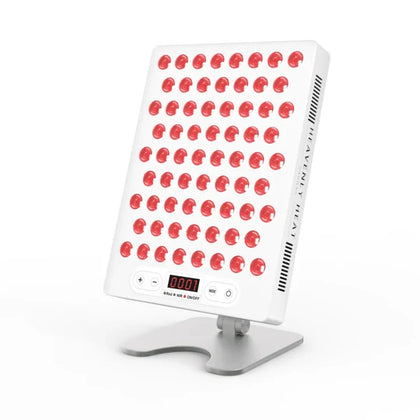
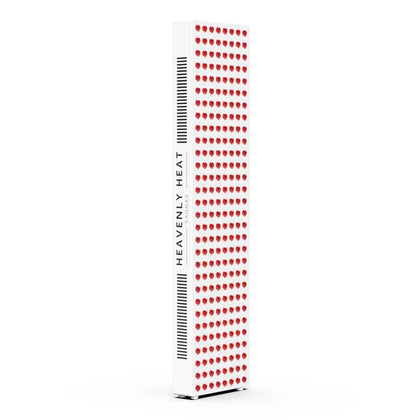
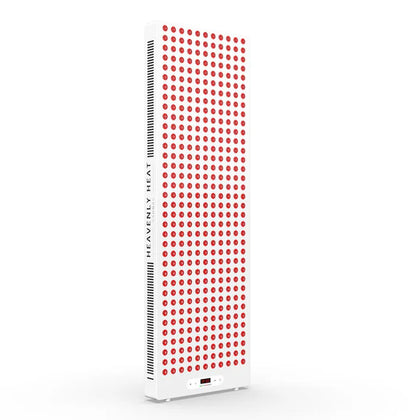
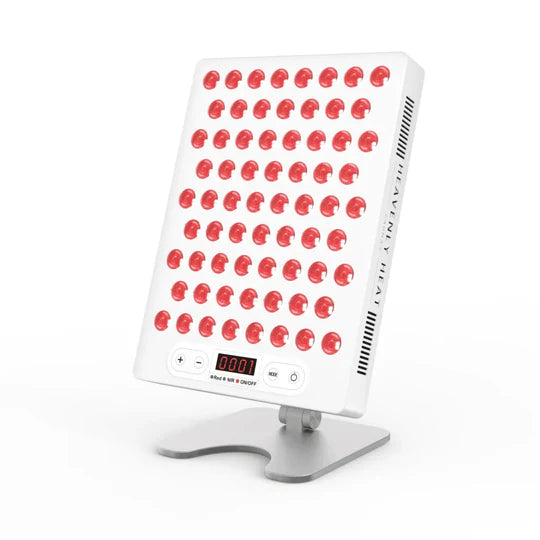
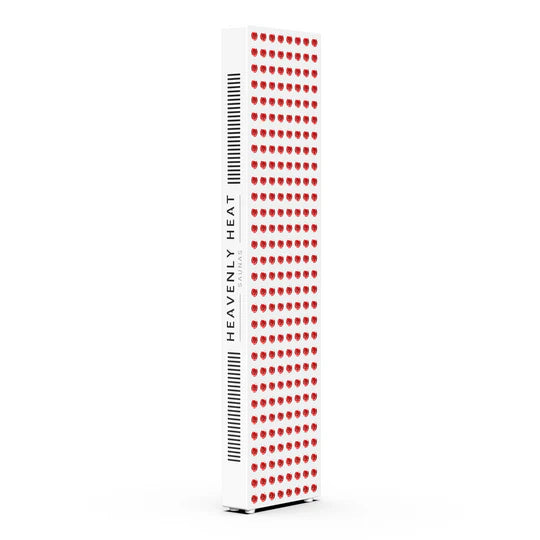
It heats up fairly quickly, and the red light feature adds a nice recovery boost after workouts.
Overall, it’s a relaxing, easy-to-use setup that fits well into a daily routine for stress relief and recovery highly
Sauna Materials and Build Quality That Affect VOC Emissions
Choosing natural sauna woods reduces VOC emissions compared to treated or composite materials
Natural sauna woods improve air quality because they contain fewer chemical treatments and release very low VOCs when heated.
Woods like cedar or spruce stay stable under high temperatures and do not depend on synthetic coatings.
Treated and composite materials often contain resins and additives that release unwanted gases when heat rises.
This makes indoor air heavier and less comfortable. Natural wood avoids this problem and keeps emissions low over time.
It also maintains a cleaner breathing space during long sauna sessions, which supports better comfort, safety, and long-term wellness inside the sauna environment.
Adhesives and engineered panels often release hidden VOCs over time
Engineered panels release hidden VOCs because they use adhesives and synthetic binders that break down under heat.
These chemicals do not release all at once, so people often do not notice them at first. Over time, sauna heat triggers steady emissions that build up in the air.
This can affect breathing comfort and cause irritation during use. The problem becomes stronger with frequent heating cycles.
Solid natural wood reduces this risk because it avoids glue-based construction. Choosing low-emission certified materials helps maintain safer indoor air and reduces long-term exposure to harmful chemical buildup in enclosed sauna spaces.
Proper insulation materials can either minimize or increase indoor air toxins
Insulation directly affects sauna air quality because it sits close to heat sources and can release or block VOCs.
Natural fiber and mineral wool insulation reduce toxin release and help maintain stable air.
Synthetic foam materials, however, can release chemicals when exposed to high temperatures.
Good insulation also controls heat flow, keeping the sauna efficient and stable. Poor installation or low-quality materials can trap gases inside, making air less safe.
A balanced setup uses heat-resistant, low-emission insulation that supports clean air while still maintaining strong thermal performance for safe and comfortable sauna use.
Low-VOC finishes and sealants help prevent harmful chemical off-gassing
Low-VOC finishes protect sauna wood while reducing harmful emissions during heating.
Traditional coatings often contain strong chemicals that release gases when temperatures rise.
Low-VOC alternatives use safer formulas that minimize off-gassing and improve air quality.
Sealants also block moisture while keeping the wood stable under heat. These products still provide strong protection if applied correctly and fully cured before use.
Heat can intensify emissions from poor-quality finishes, but low-VOC options reduce this risk.
Proper application ensures even coverage, which prevents weak spots and helps maintain clean, safe air inside the sauna over time.
Higher sauna temperatures can intensify VOC release from materials
Higher sauna temperatures increase VOC emissions because heat breaks down chemical bonds in materials faster.
Treated wood, adhesives, and synthetic coatings release more gases when exposed to intense heat.
This quickly changes air quality inside the enclosed space. People may notice irritation, discomfort, or headaches when exposure increases.
Natural wood performs better because it stays more stable under heat. Proper ventilation also helps reduce buildup of emissions.
Keeping temperatures within safe sauna ranges and choosing low-emission materials together help control VOC exposure and maintain cleaner, healthier air during every sauna session.
Good ventilation systems reduce VOC buildup and improve air quality
Good ventilation reduces VOC buildup by removing contaminated air and bringing in fresh air during sauna use.
Mechanical exhaust fans, intake vents, and heat recovery ventilators work best in saunas.
Strong air circulation improves indoor air quality by balancing oxygen levels and lowering humidity.
Poor ventilation increases health risks because VOCs can build up and cause headaches, dizziness, or irritation.
Air should exchange several times per hour while the sauna runs. Good design includes ceiling exhaust vents, floor air intakes, and cross airflow paths that keep air moving evenly. This helps maintain a safer and more comfortable sauna environment.
Certified low-VOC construction standards ensure safer, cleaner sauna build quality
Certified low-VOC construction standards define limits on harmful chemicals in sauna materials and ensure safer indoor environments.
Builders often use low-VOC woods like cedar or hemlock, water-based adhesives, and non-toxic sealants to reduce emissions.
Certifications help confirm that materials pass strict testing and meet air quality rules. VOC emissions matter because heat in saunas can release more chemicals into the air, affecting breathing comfort and health.
Builders verify compliance through lab reports and certification labels. Certified saunas give users cleaner air, less odor, and long-term safety benefits during every session.
Certifications and Lab Testing for Verifying Low VOC Infrared Saunas
You verify low VOC infrared saunas by checking third party whole unit testing done at operating temperature You look for EPA Method TO 15 results from AIHA accredited labs You prefer French A rating GreenGuard and RoHS compliance for materials and electronics You confirm low TVOC levels no formaldehyde and avoid claims without published lab reports or room temperature testing
How to Identify a Truly Low VOC and Non-Toxic Infrared Sauna Before Buying?
Safe Wood Type: Choose solid woods like cedar, hemlock, or basswood; avoid MDF, plywood, and particle board.
Low Chemical Adhesives: Prefer saunas with minimal glue use or mechanical joinery instead of chemical-based bonding.
No Toxic Finishes: Avoid interior stains, varnishes, or coatings that can release toxins when heated.
Natural Smell Check: The sauna should smell like wood only, with no strong chemical or artificial odor.
Heat-Based VOC Testing: Look for third-party VOC tests done at real operating temperatures.
Safety Certifications Only for Electricity: UL or ETL certifications ensure electrical safety, not low VOC levels.
Clear Brand Transparency: Choose brands that openly share materials, adhesives used, and lab testing reports.

Ryan "The Sauna Guy"
Ryan has been using and writing about saunas extensively since 2019.


